CONDITION GUIDE
Back & Neck Pain
Pain and stiffness affecting work, sleep, movement, or daily life.
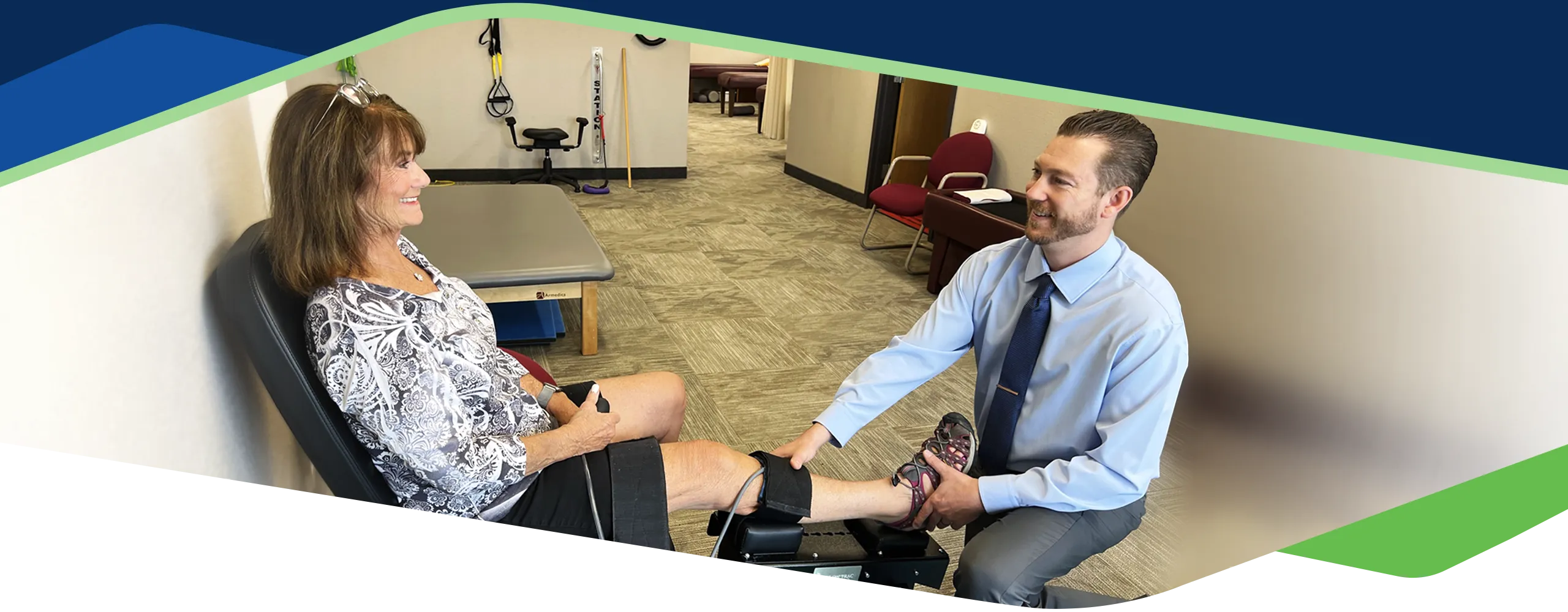
Understand your next step
WHAT TO KNOW
A clearer starting point for back & neck pain.
When back or neck discomfort is changing how you sit, sleep, work, or move, spinal decompression may be one option to discuss after a thorough evaluation.
Spinal decompression is a non-surgical treatment approach that uses a computer-guided table. A careful evaluation is the first step in determining whether this option should be discussed for your individual needs.
SYMPTOMS & RELATED CONCERNS
Topics to discuss during your evaluation.
These are general educational topics, not a diagnosis or a promise of treatment outcome.
Low-back or neck pain
Sciatica or radiating discomfort
Disc-related stiffness
Pain that limits sitting, sleep, or movement
CARE PATHWAY
How to prepare for a focused conversation.
An evaluation helps the team understand your history, symptoms, movement goals, and whether spinal decompression is appropriate to discuss. It is not a promise of candidacy or outcome.
Review your symptoms, history, and everyday movement goals.
Discuss whether a computer-guided decompression approach is appropriate to consider.
Build a measured care conversation around comfort, progress, and next steps.
COME PREPARED
Questions worth bringing.
A few details can help the team understand what matters most.
COMMON QUESTIONS
Answers before you call.
General education can help you prepare for a more productive care conversation.
Medically reviewed by Dr. James P. Perkins D.C.
General information only. Please discuss your individual situation with a qualified healthcare professional.
What happens during a spinal decompression consultation?
The visit begins with a discussion of your symptoms, history, goals, and prior care. The team can then explain whether a computer-guided decompression conversation is appropriate to consider.
How long is a typical session?
The practice’s existing educational material describes sessions that are often less than 20 minutes, but timing and frequency depend on the individual plan and evaluation.
This condition guide is for general education only. Seek urgent medical care for severe, sudden, or emergency symptoms. An evaluation is needed to discuss your individual situation, benefits, risks, alternatives, and next steps.
READY TO TALK?
Request an appointment today.
We’ll help you find a time to connect with our Boardman office.